The Column

Deep and dark in the cave time carved
A sprinkling sound skipped off cold stone walls
A spire that hangs from the high ceiling calls
Down to the answering stalagmite love-starved

Wishing quietly for gravity’s haste
To break his prison bars which anchor hold
The dripping rock that has grown in the cold
Weathered only by water’s mineral taste

Iteratively aching to loose each drop
Truncating his comfort for the love for which he longs
Translating his care into stories, deeds, and songs
Interpreting echoes growing nearer every stop

Night how cruel to cast sun-hiding shade
Recalcitrant to tell the story of the lover’s act
Return my Love who from me love attract
Never-ending lest I dwindle without your aid

Dampness felt as calcium splats the tip.
An answer echoes close in the stalactite’s ear.
Again! Could it be the cherished one is near
Devoted to respond to his steady drip?

Lips moistened by the fall and growth of love
Come now to lightly touching until at last
Connection! As the two rocks now stand fast
Lodged as one: a bridge from below and from above

Enter now, O climber in the cave
Transfixed by this monument to faithfulness
Telling the power of earth’s fruitful thankfulness
Enmeshed with Heaven by all the gifts He gave.

Before the Ships Came to Take Them Inland

His kindness never bade them stay for long.
Their welcome was not worn by his being weary.
Instead he gave them hope with every stroke
Though sinking himself into the darkness where they trembled.

The master fixed his own light house
Securely upon truth-rocks carpeted with love
Treasures of the deep rose to see the light
Even if only for a moment to feel the beams of hope it gave.

The island coasted by a sea of trouble
Bid ships on their way pass merrily, warily by
They did not need his light except to know
His rocks nearby could sink them or capsize

The sea creatures knew this lighthouse well
The mermaids frequented the rocks nearby
He gave them music and wonder and joy
And they were gladdened by this caring reminder of sunlight.

Only after basking for a little while, to dive at length
Far from the reaches of his beams of grace
Down into the hole which they could not escape
Where their dark safety was promised in frigid under-water caves

The lighthouse sometimes guided the merpeople
To cast off their fins and scales from their lives
And walk on two legs on the island of Hope
But they even then did not stay long,

Before the ships came by to take them inland.

Ships with sails and steam and steering wheels
Ships that carried cargoes precious to cross the bar
Ships that wheeled their world-wide way
Ships that felt the light, but could not touch the house

The house that kept its lenses burning bright
The house that ocean brine had crusted green
The house that learned the value of its light
By staying on that lonely island of hope.

The island small but never sinking
The island seeing all and never blinking
The island choosing good and not despairing
The island swept by waves of tears and caring.

O that dark clouds may part and let sunshine come out
So the hope of many wanderers may be refreshed
By the light and the warmth of the sun dancing on calm seas
Which is the only comfort this light-bearing soul breathes!

And yet, one day, the hope remains
That the island of hope may have room for two
For two houses to shine yea in two-streamed directions
Kept warm by the fire of the other’s undivided heart.

For now the island of hope is shadowed by grey clouds
The mockery of lightning’s torturous and cold subtlety.
Who will warm the lighthouse and scrub him clean
So the thunder rolling will not cause his own brick to quake?

The Hedgeman

Madam Grandmother had a house of grey:
Grey roof, grey shutters, grey siding.
All one story; All one level
Surrounded by box hedge plants waist high.

A hedgeman had come and trimmed them recently
But he only chopped the shape just right.
He did not seek to undertake
The dive seeking weeds of thorn and vine:

Young spritely clinging little buggers
Troublesome meddlers in a boxy world
In shadowy subtlety they showed their heads
A long time they had grown in secret.

The hedgeman returned at the grandmother’s request
The bushes needed trimming, but the vines were his quest.
Over two days he set about the purge
Of everything that grew up from secretly seeded earth.

He found himself saying, as the vines scraped his arm:
“My goodness this bush is a pain.”
But then he thought to himself:
I wonder if God looks that way on me?

Extricating and tending the bush planted well.
From the weeds of the seeds of the unworthy sown.
Did the Maker of creation who saw it was good
Did He say, “This is a pain.” When the devil’s seed was sown?

Grace shines like the hot afternoon sun on his back.
Reminding him of the Maker’s glowing face.
Which does not cool when faced by those who turn
Their back on him shady tents to pitch.

O grief, such grief: that crown of thorns
That encircled the Savior’s human brow
To crown the flower with Satan’s weeds
To raise up a sacrifice of earth because of Heaven’s love.

Of course! Twas not for grief He bore
But for the Joy that was set before!
His cross he endured and the seed he planted
In the tomb of the rock to sprout forth with new creation!

Determined by his Father’s love,
Pronounced for the world from the beginning
He did not merely say, “It is good.”
He simply “Saw that it was good.”

Now the hedgeman was ennobled to press
Through the thorns that tore his exposed flesh
For in these thorns a fresh thought was true:
God fell in love with the world to make it new.

Emancipation: the feeling surged as one by one the vines relinquished their hook
They could not withstand the power of man determined to make the bushes good.
Why? Because these bushes were planted first, and then the weeds took root.
The bushes are good, it’s the weeds that have corrupted their look

So even though the weeds are deep entwined
With the plants of the Grandmother’s good intention
Still, deeper is the ability to dig
With a pair of pruning sheers to clip the hidden stems.

Strong is the stock the Sower sowed
When He made the world out of His goodness
The enemy may have added his own ingloriousness
But the Angels can tell what is good by its fruit.

Oscillating between standing and kneeling
The hedgeman cleared away the weeds by probing deeply.
Humility and confidence to seek understanding and apply it:
Getting to the root, and pulling up the shoot.

Familiar with these living plants
Their tender leaves not sown by chance
Were worth releasing from these self-ish pokes
For which the fire the Angel stokes.

Grappling with the plant near the top does no good.
It took a long time to reach the now spoiled-sightly top.
With a firm hand the hedgeman pulls on the vine
So he can pluck the thorns like a bow string and cut the base.

Others yank the plant up by the stem
Hoping that the whole thing will come right out.
Those who are clever know such a risk is not sound
Even if it clears the top, soon the issue will reemerge.

During his struggle, He sees the Creator dealing with him.
Not managing his issues so as to keep God busy
But always asking the questions that get at the heart
Of why man hides and turns his back on Him.

Resting in the tension of the Master’s pull
And wincing at the precise cuts of the wise Healer
Leveling haughty lusts from creeping back out again.
He reminds me of His pleasing and excellent plan

Utilizing the hedgeman to keep the hedges beautiful
The Creator has appointed a manager for His Creation
A Creation He made so beautiful, that it was even good in His own eyes.
The only One who is Good, saw that it was good.

Lo, He did not only say “It was good” when he made the light.
Nor even when he made land, trees, fruit and seed
Nor even when he made stars, and birds and fish and animals
But when He appointed man to rule He saw that it was VERY good.

Ended the task, back stood the hedgeman and smiled
The grey house framed by box-hedged life
The weeds were cast away to rot, to be chewed, and to die
And the Hedgeman sees that the Earth is worth redeeming.

Outcry: A Venting of Poetic Anxiety

AIEE! A shade, a shadow, a block
The sun is bright, but I cannot see
My eyes have seen into the depths
Of what can but must not be

I retch and heave, the asphalt black
Has scorched my feet with trepidation
My riven side is cracked with fever blisters
My tongue is aching with the stomach’s refusal

How brisk this scattered search for light
That my eyes will light on a single star
And pray that it rise like a morning sun
To light my day with hope and life

But here I sit swallowed up with strings
They strangle me with the impediments of actionless-ness
They bite at me like a siphoning stringent strain
That leaves me beleaguered

Except for when I’m with her.
The light of favor in another’s eyes
The buy-in that requite Heaven’s treasures
To see them reflected in the pure pools of a beautiful soul.

But alas should that pool with mud be thick
For then the ways of my feet cannot be quick.
I move like a drunken man, and make myself sick
I strive to break my stride of one man carrying the weight of bricks.

The echoes of a heart that long to be begotten
Lest all its treasures that once fell ripe off the branch might be forgotten!
Nay, it shall not be . . . the light of day comes to make a planet new
But how am I to face the sun, without a bead of dew?

So happens when the eye is drawn to split his view
Between Heaven and Earth to dig the old for the new
To partner with the souls that seek a home
And find a place to rest from life’s torpid foam.

A stirring deep within me centers quietly
Tis goodness to be wrought from His seed planted.
The tired steps I take toward Eve’s bower.
When I do not know if she is even there.

Will I the man find a place for my hand
To till the ground and serve the land
Or will the earth not yield her strength
To make the seed bear fruit again?

A risk to walk one path with Him
And then to join into one way two
Shall I well-serve His pleasure here
And give water to she who still misses her home?

Playground

There once was boy called Martin. Martin was a precocious lad, who loved to play on playgrounds. Whenever he didn’t have a playground, he made one. Just give him a tree, or some furniture, even a pile of junk, and he would transform it into a place of enjoyment and discovery!

One year, Martin started attending a new school with kids his age. But this school had no playground equipment except a sandbox, which kids of all ages would go and play in during recess. Martin had played on swings, jungle gyms, hanging bars, slides, bounce houses, and sandboxes too. He saw the kids playing in the sandbox and all he could think was, “If only I could give them a chance to play on some of the equipment I get to play on. They’d love it! They’d have so much fun and grow bigger and stronger like I’m growing.” So Martin asked his parents, and they agreed to rent some new playground equipment for a day.

The next day, three new pieces of playground equipment showed up in the school yard. Martin was so excited. He couldn’t wait to see how his friends would react. At recess, he gathered around all his friends, and explain the rules and how to play on the swings, and how to swing from the monkey bars, and how to slide on the slides, and bounce on the bounce houses. And Martin was jumping right into the fun while he was demonstrating.

But when he turned around, he noticed that nobody was playing with him. The just stared at him. They weren’t used to such big equipment. Martin was hoping they would try it out and discover the fun for themselves, like he had. Some of them tried some of the gravel pieces around the base. Some even climbed around and tried the slide once or twice. But they all stood and watched.

Martin stared at them with open mouth. Why weren’t they playing? Didn’t they know this equipment was so much more fun than the sandbox? He even dragged some kids over and pushed them on the swings, but they were missing their friends and they ran back to the sandbox.

Our little precocious lad was disheartened. He didn’t want to play all by himself. He knew that this was A LOT more fun than the sandbox, but it was no fun without other kids to play with. He went home and cried to his parents. They understood, being wise parents, and told him that he should find a way to have fun in the sandbox with the other kids.

So, the next day at recess, Martin joined the kids playing in the sandbox, except this time, he brought a bucket of water with him. He smiled as he was determined to still create something even more fun out of this sandbox. Spilling some of the water on the ground, he made mud and started forming things out of the mud. The other kids watched and then started to play with him. Each one got down on their hands and knees and started making little houses, and bridges, tunnels, and streets. Everybody had an amazing time. And from then on, Martin was happy to play with his friends in the sandbox, still hoping that some day, the other kids would want more than the sandbox, and upgrade next year to just one piece of equipment. Maybe a ball-pit!

Unhappiness: an Honesty

This mortal coil that burns out to crispy cinders.
The glow once found, now lost to rotting tinder.
A hollow wind blows through this dismal shrine
Where all that now is dark once housed divine.

The bulb crackles as its amber light-rays falter
The power lost to cravings man has altered.
To spin a web of safety and for feed.
In darkened corners where shade makes light bleed.

Thrice woe! The wail of counterfeits discovered.
The blindings of the ages are uncovered.
As sight is lit by just a little proof
To bid despair loose beams and drop the roof.

Unhinged from bolts the door made for a frame
It topples to the floor in open shame.
And creatures trample down this scratching post
Where guardianship now pays its careless cost.

Untruth: the absence of the deeds of good
On which a world so beautiful has stood
Makes slavery of freedom’s fruitful trees.
And grants no peace to those who lie at ease.

The “strinch” of wrenching strength to quench
The Hell-flames reek with death’s foul stench
The play of demon dragons doomed
To empty slither neath dust entombed.

Forgotten what must take place at the top
The center, the beginning and the stop.
What worthy light can cast its mighty glow
To fill this day with life I weep to know?

The Effect of Finishing MYST IV Revelation on My Conscience

What rumblings wrestle within me?
Ah yes, that game MYST IV Revelations
Such a striking contrast
Between the simple and good
And the deep and deceptive.

Long ago I played the game
And my heart was hamstrung by the kidnapping of dear Yeesha
But my affection for the Atrus character
Doubled over me with an effort to get the girl back.

These games are precious treasures of character.
They shiver the mind’s analyses down to the spinal column of our own choices
Shaking the branches to the trunk
To see what hart it holds within.

But when the spirits got involved
When invitations into darkness of unguarded dream awoke
When the so-called guide to truth in the spirit world spoke
I felt deeply quinged by the unstructured whim of another.

And I heard The Holy Spirit bid me to destroy what I could not truly love.
For I had chosen to love Him fully and not disown Him.
I cracked the DVD in half,
Mid-story
Mid-heart-throb
Mid-sob of relinquishing a soul’s investment.
And my sister who gave it me as a gift was deeply offended.

The years passed, and the story remained undeveloped in my spirit.
I had to know what happened to Yeesha,
How would the seed bear fruit that was good?
Could I trust the word of amulets worn around the neck of the unseen?

And so today, at last, I took up the card that said, “It’s only a game.”
And stared through the safely distant lenses of a player who walked through the game for me.
With eyes unveiled at last, and puzzles solved clear and fast
I came to the moment of decision.
My own weak heart could not have released me to do what was right.
Indeed even now, I stare at the screen typing this poem
Where once little Yeesha was imprisoned in a chair
Her memories being parasite-d away.

Hope, what a game you gave me.
It ended well, and a bit unsatisfactorily.
I wanted to rescue Yeesha myself,
But I could not see the danger
Unless the one other than He who truly is:
The shadow cast by a human imagination turning his back on God
Had come and shown me the answer.
Boo hiss you Serpent seductive.

And now my spirit crawls on all fours
A dry and thirsty land is the world when your own mouth consumes dust.
The conscience once guarded, and the heart never satisfied.
What a price to pay for the instigation out of innocence!
That one or the other must remain un-met, un-kept, or un-sung.

But nay, mine eyes were too weak to see His light, back then.
I was young, and filled with all the vigor of beautiful sights
Of which this game was full and rich.
And My heart, being trusting so fully as it was
Trusted in the inherent goodness of what was before me.
But now I know better.

The music of adulthood, has been tuned to a deeper fundamental
Than games that are of the devil, or cares that were superficial.
But now, I see the love of humanity,
And how we are meant to reflect our father and creator well.

How frightful the effect still was on my conscience.
Spiritual vomit seemed the only recourse.
And the past cannot be made different in the present.
But the past that belongs to God can be reshaped so as to better situate the present.

And the profoundness of the lessons of hope
And of the power of life to convert the soul
While the conversion of our souls for power will end in death.
But still, some depths are not to be plummeted
Unless they are in the bosom of the father.

I am resting now. Such a journey was not a waste.
But I bid all who wander there, tread with care.
If the spirit and the bride say come
Then come, and do not go the wedding of a corpse.

The Parable of the Willow Tree

” . . . All you need to do is be a tree like I am,” the Old Oak said to the Wandering Willow who had pulled up her roots like feet and had left home in search of the world beyond her sight. She would set her roots down when she started to wither, but she had forgotten what type of tree she was, because she never stayed rooted long enough to bear any fruit. In desperate anxiety, she had returned home to find out who she was from her wise friend the Old Oak. He had said to her, “Why, you were the Well-watered Willow before you started to wander, but if you really want to know who you are, there’s only one way. . .”

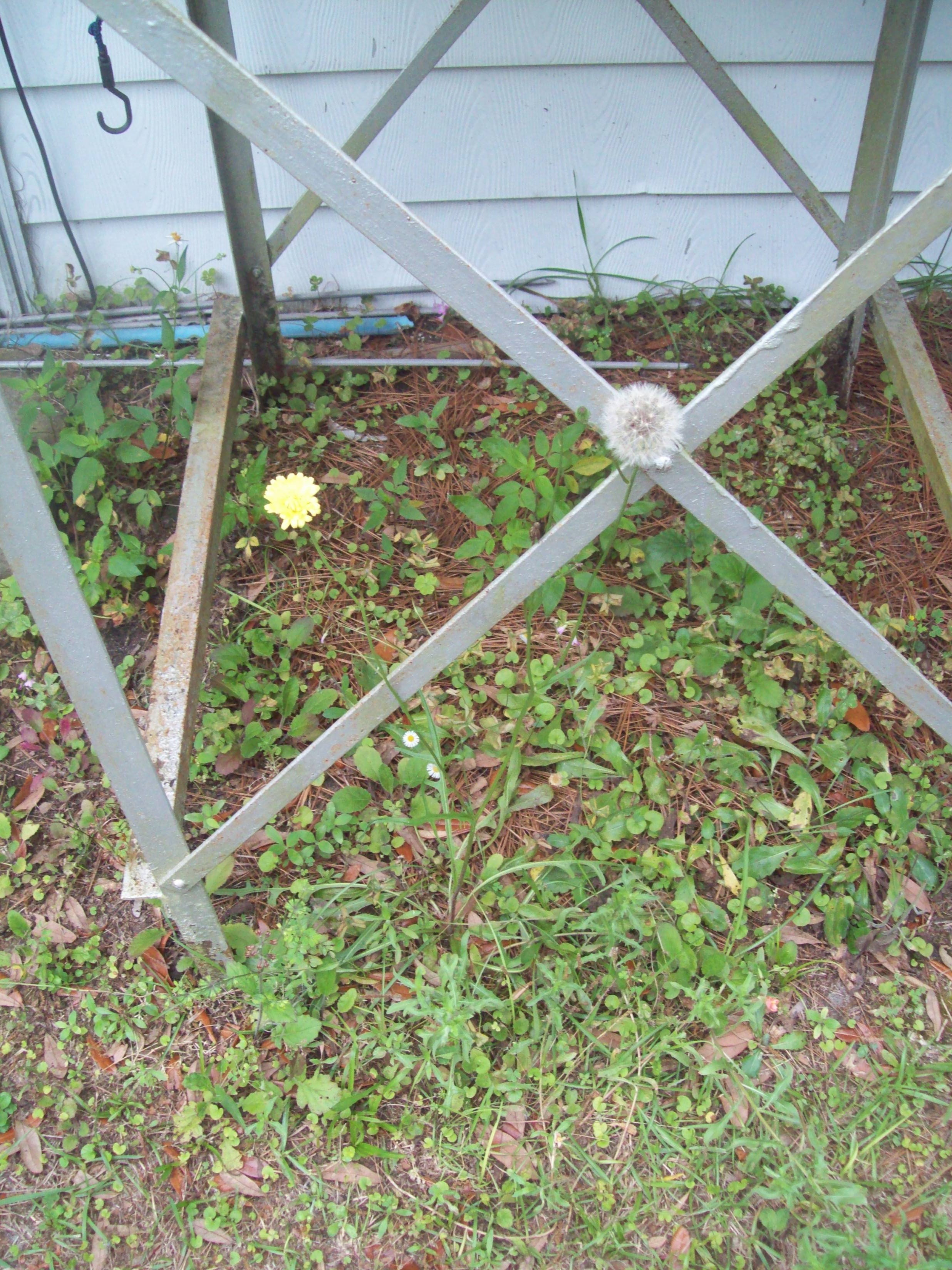
The Parable of the Dandelion: The Gospel in the Old and New Testaments

Old and New Testament

The Bible Gospel is like the dandelion.
In the Old Covenant the Gospel blossomed showing God’s goodness in His people
Whose radiance and scent were meant to draw all nations to God’s good salvation.
In the Gospels He shows His glory and Beloved He was questing for in Jesus Christ
Whose pedals stripped, and  whose seed came forth unto eternal life for the many
In the New Covenant the Gospel seeded, for the Holy Spirit to blow to all people
So that the whole world may be filled with the knowledge of the Glory of God.
It’s the same God, the same Gospel, and the same seeding, flowering plant.
This is merely a pot to help locate, cherish and nurture its growth.


The Mystery of Prophecy: The Eye of the Body

Let two eyes see
And let the body discern
Let the eye safe-guard his vision
Let the body accept him
Let God be seen

My eyes are weak
The left one is stronger
I see out only one eye at a time
My lenses protect them
I can see for two

The heart is one
The truth must be shared
The body must be able to see Him
To do the work of service
Representing God

With his music
Like tears, his eyes weep
In ecstasy and agony of seeing
He cleans out devil’s dust
So he can see

From his words
The body feels visions
They come to recognize His face
They know His character
They do His will.

More is seen
Than what is focused
The whole is known peripherally
The mind can’t grasp
All of sight.

So a prophet
Sees more than he knows
Telling what he has seen beyond.
Body, listen to his words
He sees Him.